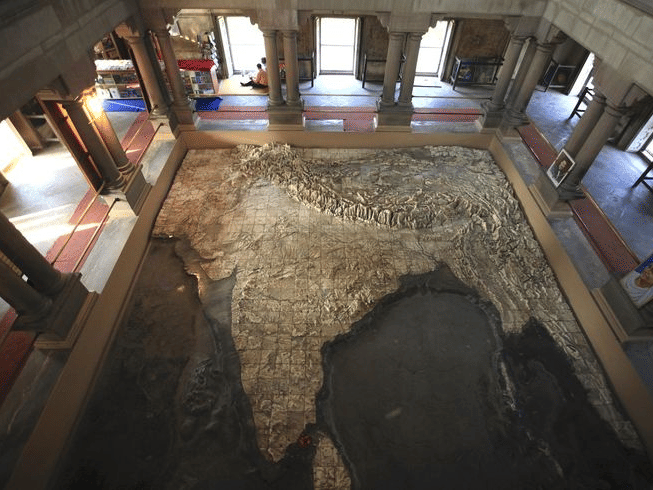
Bharat Mata Mandir, Varanasi
This is a distinctive shrine in Varanasi dedicated to Mother India. Unlike traditional temples, it does not house a deity but features a detailed relief map of the Indian subcontinent carved in marble. Conceived by freedom fighter Babu Shiv Prasad Gupta, the temple was built in 1936 and inaugurated by Mahatma Gandhi. Since then, it has remained one of the very few temples in the world devoted to a nation rather than a deity.
Distance: ~1 km
Driving Time: ~6 minutes
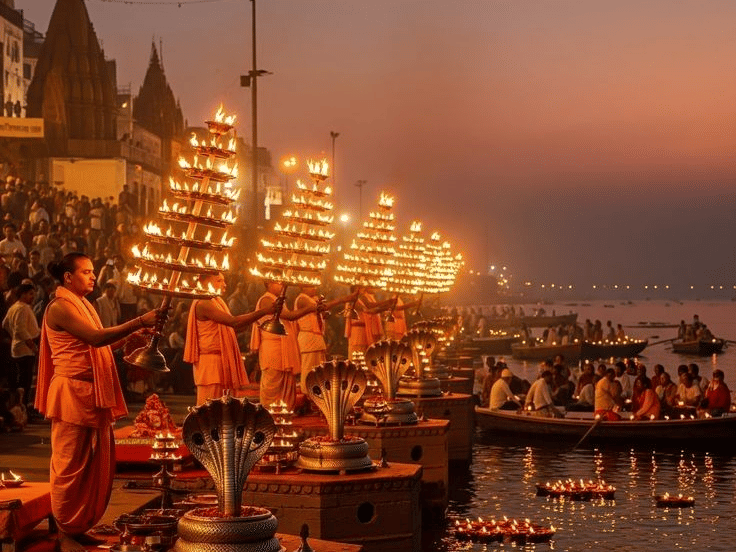
Ganga Aarti, Varanasi
The Ganga Aarti at Dashashwamedh Ghat in Varanasi was formally introduced in 1991, drawing inspiration from the revered rituals performed at Har Ki Pauri in Haridwar. Over the years, this elaborate evening ceremony, performed on the banks of the sacred Ganges, has grown into one of the city’s most captivating spiritual experiences, attracting both domestic and international visitors alike.
Distance: ~3 km
Driving Time: ~20 minutes
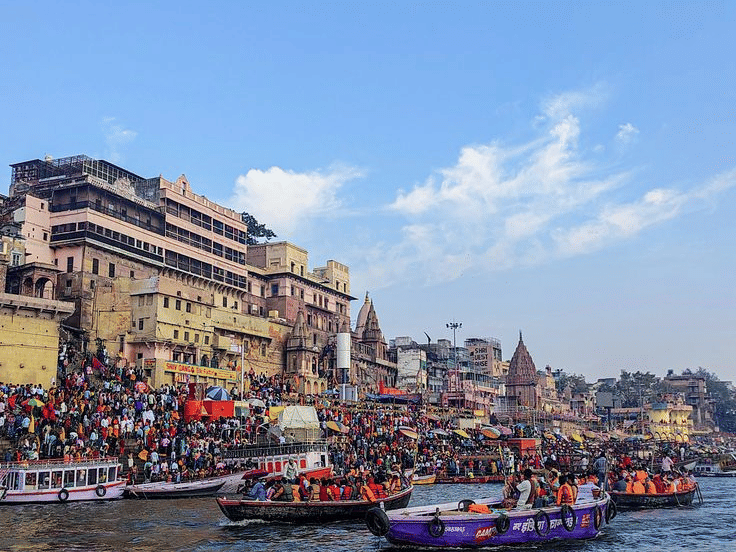
Dashashwamedh Ghat, Varanasi
This is one of the most prominent ghats in Varanasi, situated along the banks of the River Ganges in Uttar Pradesh, near the revered Kashi Vishwanath Temple. The ghat is associated with two significant Hindu legends. According to one belief, Lord Brahma created the ghat to welcome Lord Shiva. Another legend states that Brahma performed ten Ashwamedha Yajnas here, from which the ghat derives its name, 'Dasa-Ashwamedha'.
Distance: ~3 km
Driving Time: ~20 minutes
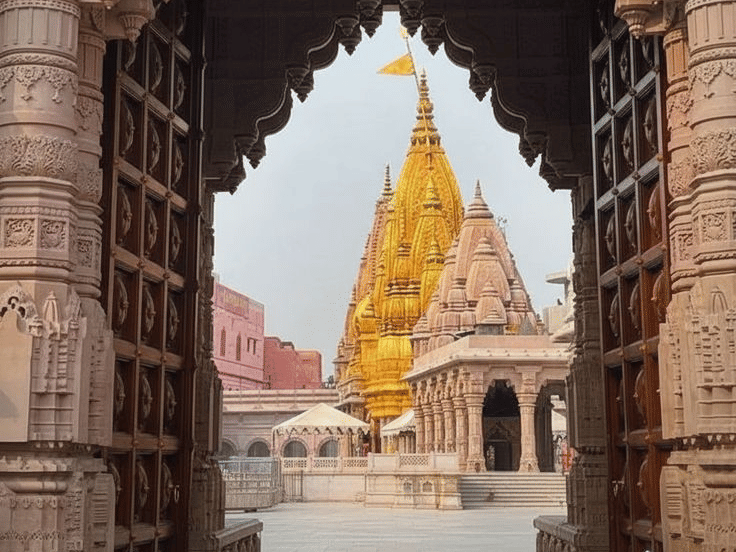
Shri Kashi Vishwanath Temple
Kashi Vishwanath Temple is one of the most revered Hindu temples dedicated to Lord Shiva. Located in Vishwanath Gali in Varanasi, Uttar Pradesh, it is among the twelve sacred Jyotirlinga shrines and holds immense spiritual significance for devotees. The presiding deity is worshipped as Vishwanath or Vishweshwara, both meaning the Lord of the Universe.
Distance: ~3 km
Driving Time: ~28 minutes
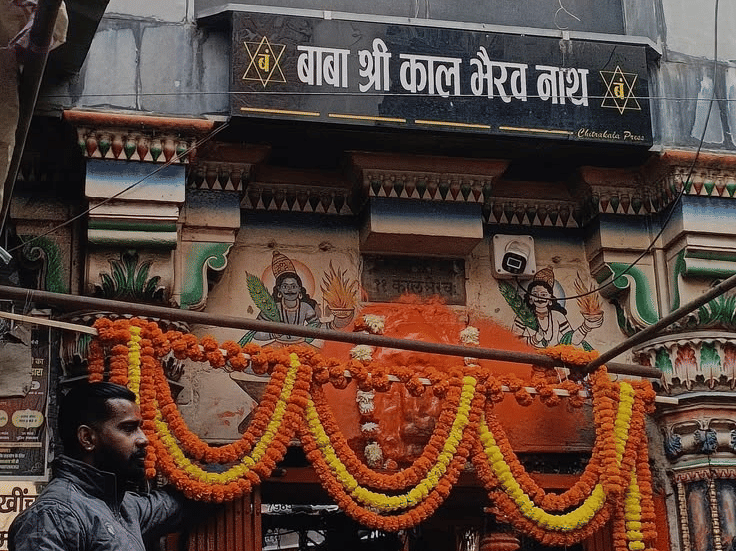
Baba Kal Bhairav Temple, Varanasi
The Kaal Bhairav Temple in Kashi is located in the northern part of Varanasi. Regarded as one of the oldest temples mentioned in the Kashikhand, it holds deep mythological significance. According to belief, Lord Vishwanath appointed Kaal Bhairav as the guardian of Kashi, entrusted with protecting the city and upholding its divine order.
Distance: ~3 km
Driving Time: ~17 minutes
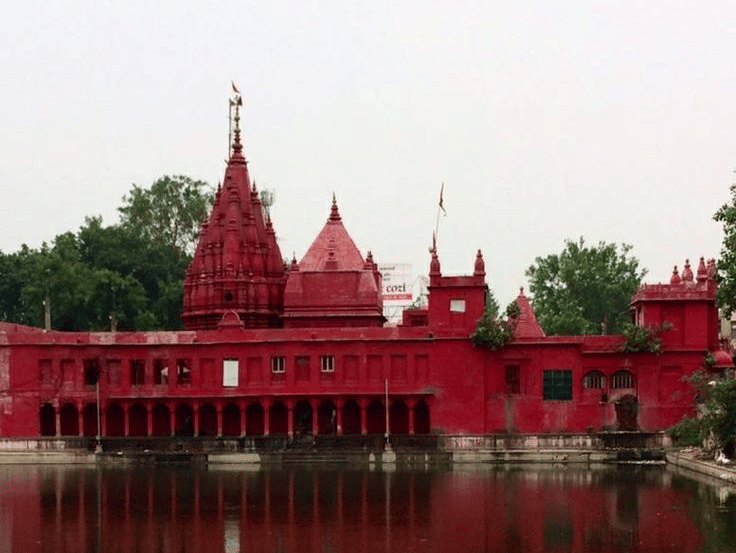
Durga Kund Mandir, Varanasi
Built in the 18th century by the Bengali Maharani Rani Bhabani of Natore, this is a revered temple dedicated to Goddess Durga. Adjacent to the temple lies a sacred kund, or pond, which was once connected to the River Ganges. According to local belief, the idol of the goddess housed within the temple is self-manifested and not crafted by human hands, adding to the shrine’s spiritual significance.
Distance: ~5 km
Driving Time: ~22 minutes
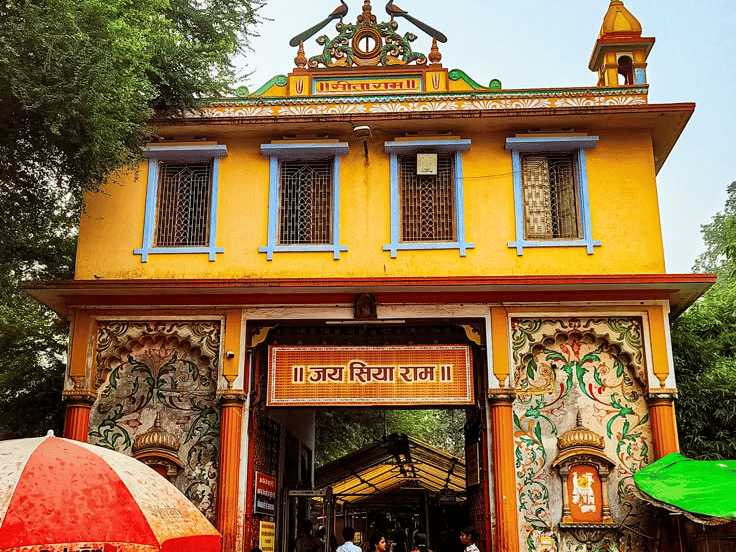
Sankat Mochan Hanuman Temple, Varanasi
This is one of the most revered temples dedicated to Lord Hanuman in Varanasi, Uttar Pradesh. Located near Banaras Hindu University, on the route to the Durga Temple and the New Vishwanath Temple, the shrine holds deep spiritual significance for devotees. The name 'Sankat Mochan' means the remover of troubles and sorrows. The temple was built in 1900 by Shri Madan Mohan Malaviya, the founder of Banaras Hindu University.
Distance: ~6 km
Driving Time: ~27 minutes
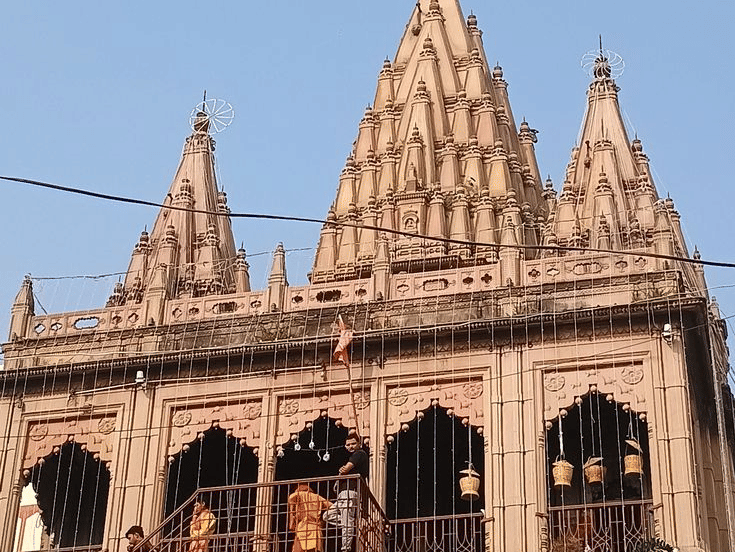
Assi Ghat, Varanasi
The southernmost ghat in Varanasi, Assi Ghat, is among the largest and most lively along the banks of the River Ganges. It marks the point where the Assi River meets the Ganges, giving the ghat its name. Known for its relaxed and vibrant atmosphere, Assi Ghat is a popular gathering place for students from the nearby Banaras Hindu University, as well as travellers, researchers, and long-term visitors to the city. The ghat is frequently visited for leisure, cultural activities, and celebrations during festivals, making it one of the most dynamic spots in Varanasi.
Distance: ~6 km
Driving Time: ~28 minutes
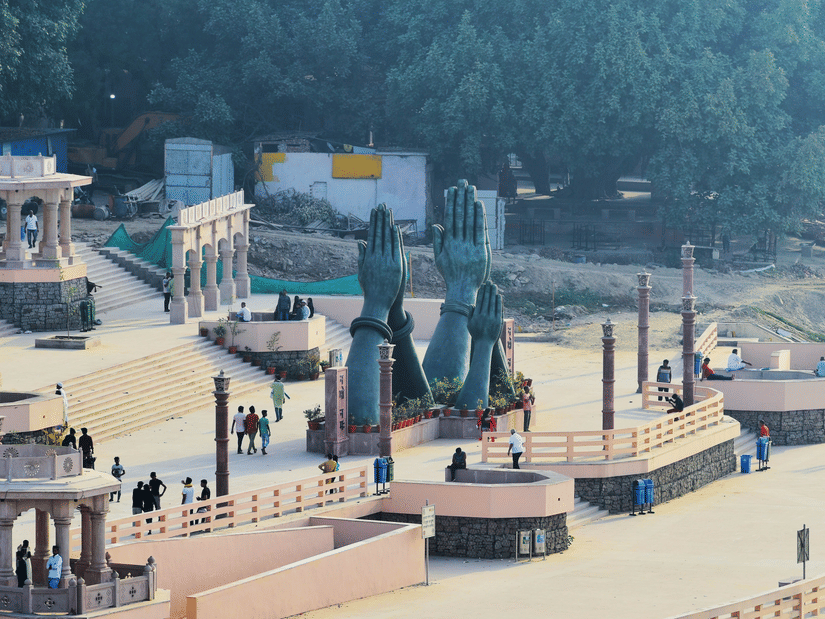
Namo Ghat, Varanasi
This is a newly developed riverfront in Varanasi, situated along the banks of the River Ganges. The project was initiated with the foundation stone laid by Prime Minister Narendra Modi in 2018. Spread across an area of about 21,000 square metres, the ghat features modern amenities designed for visitors, including a viewing deck, a cafeteria, and dedicated parking facilities. With its contemporary design and improved infrastructure, Namo Ghat has quickly emerged as a notable attraction for tourists visiting Varanasi.
Distance: ~6 km
Driving Time: ~18 minutes
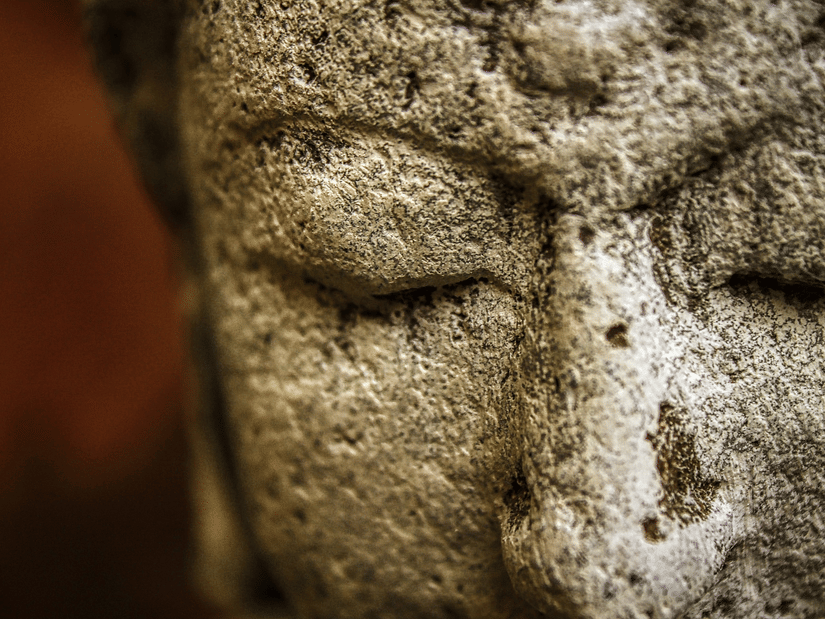
Bharat Kala Bhavan Museum, Varanasi
An esteemed archaeological and art museum, Bharat Kala Bhavan houses an impressive collection of sculptures, artefacts, paintings, jewellery, pottery, and textiles dating from the 1st to the 15th century. The museum offers a fascinating glimpse into the artistic and cultural heritage of India through its carefully preserved exhibits.
Distance: ~8 km
Driving Time: ~31 minutes
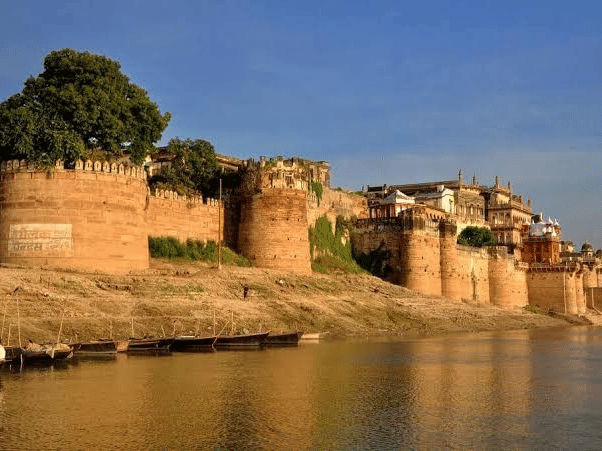
Ramnagar Fort, Varanasi
Situated on the eastern banks of the River Ganges, opposite Tulsi Ghat, Ramnagar Fort stands as a remarkable historical landmark in Varanasi. Built in 1750 by Raja Balwant Singh in the Mughal architectural style, the fort reflects the grandeur of a bygone era. Although the royal system has long been abolished, the present Maharaja, Pelu Bhiru Singh, continues to reside within the fort, preserving its enduring legacy.
Distance: ~8 km
Driving Time: ~30 minutes
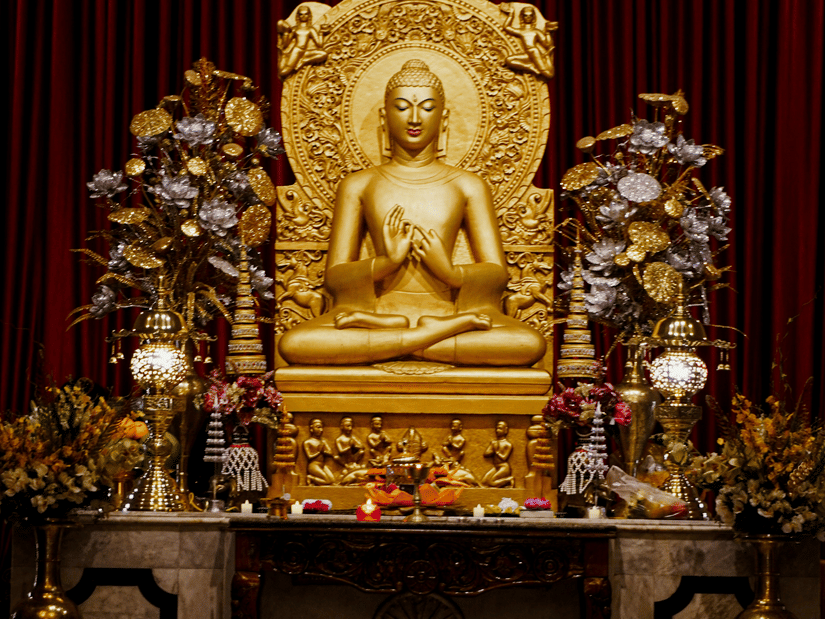
Sarnath Buddhist Temple, Varanasi
Sarnath, also known as Deer Park, Sarangnath, Isipatana, Rishipattana, Migadaya, or Mrigadava, is a historic town located northeast of Varanasi in Uttar Pradesh, India. According to the Lalitavistara Sutra, Gautama Buddha chose this serene Deer Park, situated outside Varanasi, to deliver his first sermon after attaining enlightenment in Bodh Gaya. This sacred teaching, known as the Dhammacakkappavattana Sutra, marks the beginning of Buddha’s spiritual teachings and the foundation of the Buddhist path.
Distance: ~8 km
Driving Time: ~27 minutes
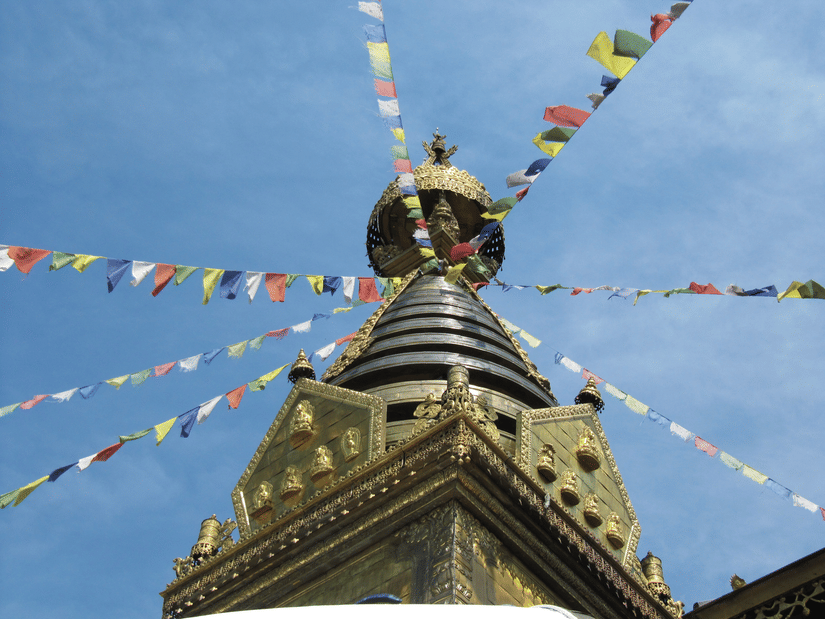
Tibetan Temple, Varanasi
This Tibetan temple, known for its striking Tibetan architecture, stands at the revered site where Lord Buddha is believed to have delivered his teachings on the Four Noble Truths to his disciples. The temple houses a serene statue of Shakyamuni Buddha and features rows of prayer wheels, while its interiors are adorned with traditional Buddhist paintings known as Thangkas, reflecting the rich artistic and spiritual heritage of Tibetan culture.
Distance: ~10 km
Driving Time: ~28 minutes
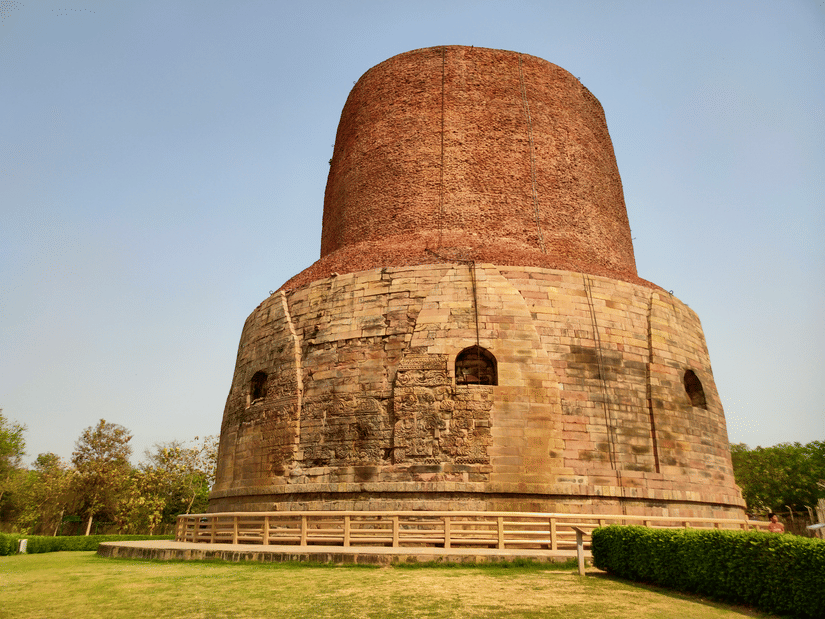
Dhamek Stupa Sarnath, Varanasi
Dhamek Stupa, also spelt Dhamekh or Dhamekha, is one of the most prominent Buddhist monuments located in Sarnath, near Varanasi in Uttar Pradesh. Originally built in 249 BCE during the reign of Emperor Ashoka of the Maurya dynasty, the structure has undergone several expansions and restorations over the centuries. This massive cylindrical stupa, constructed from red bricks and stone, now stands at a height of about 43.6 metres with a diameter of approximately 28 metres, marking the sacred site associated with Lord Buddha’s first sermon.
Distance: ~10 km
Driving Time: ~31 minutes